
Why the space between years matters as much as the resolutions and intentions.
There’s a strange little pocket of time at the end of December that doesn’t get nearly enough respect.
It’s that week between Christmas and New Year’s — when the year is technically over, but the next one hasn’t fully arrived. Schedules are lighter. Energy is quieter. And for many of us, especially business owners, there’s a subtle internal pull to figure things out before January hits.
Culturally, we’re told this is the moment for resolutions and intentions. Decide who you’re going to be. Declare what you’re going to do. Lock it all in so you can hit the ground running.
But I don’t think that’s what this space is for.
This in-between time is liminal. It’s a threshold. And thresholds aren’t meant for certainty — they’re meant for orientation.
Orientation Before Action
When we rush to set goals before our system has landed, those goals often feel hollow. Motivation fades. Resistance creeps in. We blame ourselves for lacking discipline, when what’s really happening is much simpler: our nervous system hasn’t caught up yet.
Orientation is different from intention.
Orientation is about noticing which way you’re already facing.
It’s about letting your system recalibrate after everything the past year asked of you.
It’s about restoring coherence before demanding momentum.
When you skip this step, January ends up doing the orienting for you — often through burnout, frustration, or disengagement.
Temperament Isn’t About How You Work — It’s About How You Find North
We’ve spent the month talking about temperament and how it shows up in business, but here’s an important reframe:
Temperament isn’t just about productivity or work style.
It’s about how your system naturally regains clarity.
In liminal space, people don’t all orient the same way. And that’s not a problem — it’s information.
Some systems orient through meaning. They need to look back before they can move forward. They want to name what this year taught them, what’s complete, and what’s no longer theirs to carry. Without that sense of meaning, action feels empty.
Some systems orient through structure. Not rigid planning, but gentle containment. A sense of order. A rhythm returning after chaos. For these folks, clarity comes when the environment supports it.
Some systems orient through rest. Slowing down isn’t avoidance — it’s how their system clears noise. Decisions made too early feel forced. When rest is honored, direction emerges naturally.
And some systems orient through curiosity and spark. They need to play with possibility, not commit to outcomes. Over-planning kills their energy. Aliveness is how they find direction.
These aren’t worker types.
They’re ways of finding north.
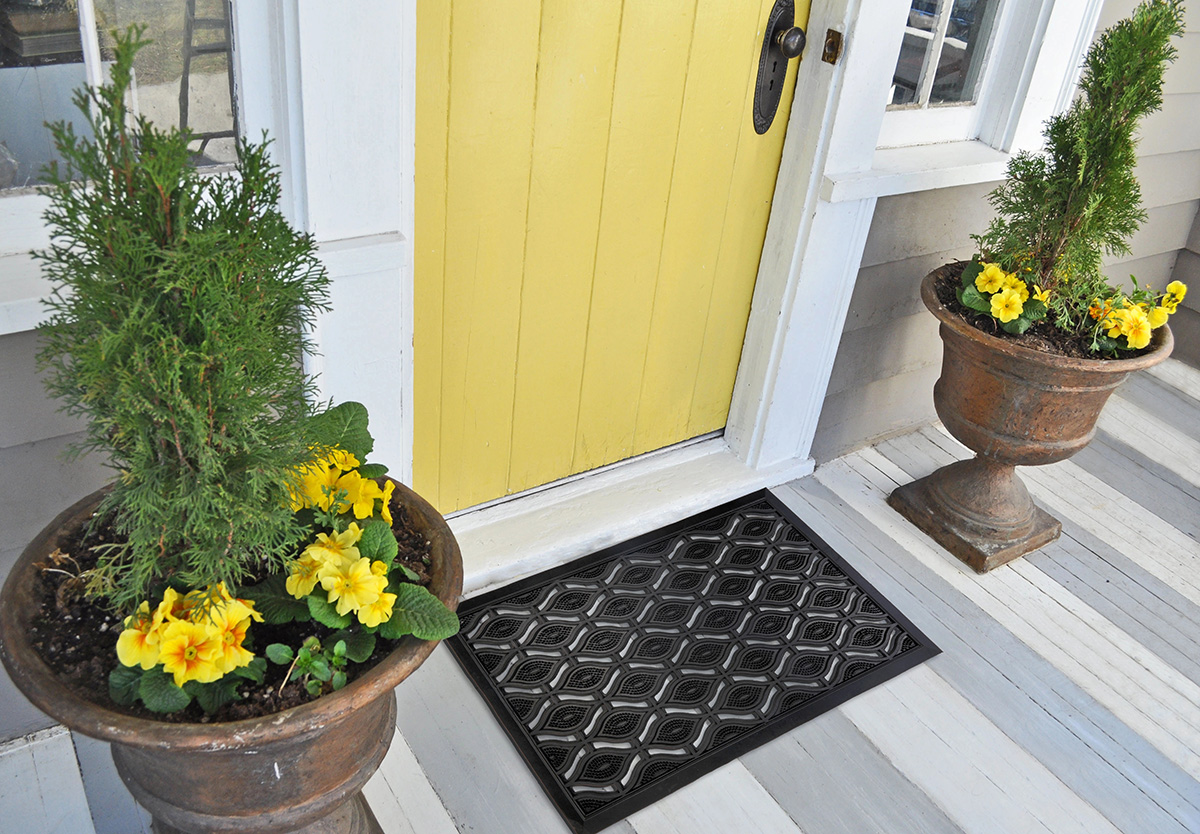
Thresholds Matter — Especially the Ones You Cross Every Day
One of the most overlooked parts of closing a year is the transition between who you are personally and who you are professionally.
Whether you work from home, in an office, in a shop, or out of your vehicle, you cross a threshold every day. And thresholds hold energy.
Taking time to cleanse, refresh, or even subtly redesign that transition space can be incredibly grounding. Sometimes it’s as simple as clearing clutter, adding a scent, or setting a moment of intention as you step into work mode. Sometimes it’s a full re-imagining of how you enter that space.
When thresholds are honored, clarity follows more easily.
Small Rituals That Speak to the Subconscious
This time of year is also a beautiful opportunity for gentle ritual — not anything complicated or performative, but simple acts that speak to the subconscious.
Lighting a candle and reflecting on what’s closing and what you’re carrying forward.
Creating a physical representation of your business as it is now, then rearranging it to reflect where you want it to go.
Making an offering — something tangible that represents the future business you’re inviting in.
These practices work not because they’re magical, but because they engage parts of the mind that spreadsheets and to-do lists can’t reach.
A Practical Reset: Reclaiming Your Attention
Not everything needs to be symbolic. Some of the most powerful resets are practical.
One of my favorite end-of-year rituals is a 15-minute unsubscribe cleanse. Set a timer. Search your inbox for words like “newsletter,” “update,” or “don’t miss.” And every time you unsubscribe, remind yourself: I choose what gets my attention.
Attention is energy. Reclaiming it is an act of self-respect.
Entering the New Year Oriented, Not Pressured
This moment isn’t about reinventing yourself.
It’s about letting yourself land.
About listening before deciding.
About allowing orientation to come before momentum.
January doesn’t need you to be someone new.
It just needs you to move in the direction you’re already facing.
And that begins here — in the quiet, powerful space of the in-between.